Cello’s Singing to Serpents: A Raw, Genre-Blurring Statement of Emotional Reckoning

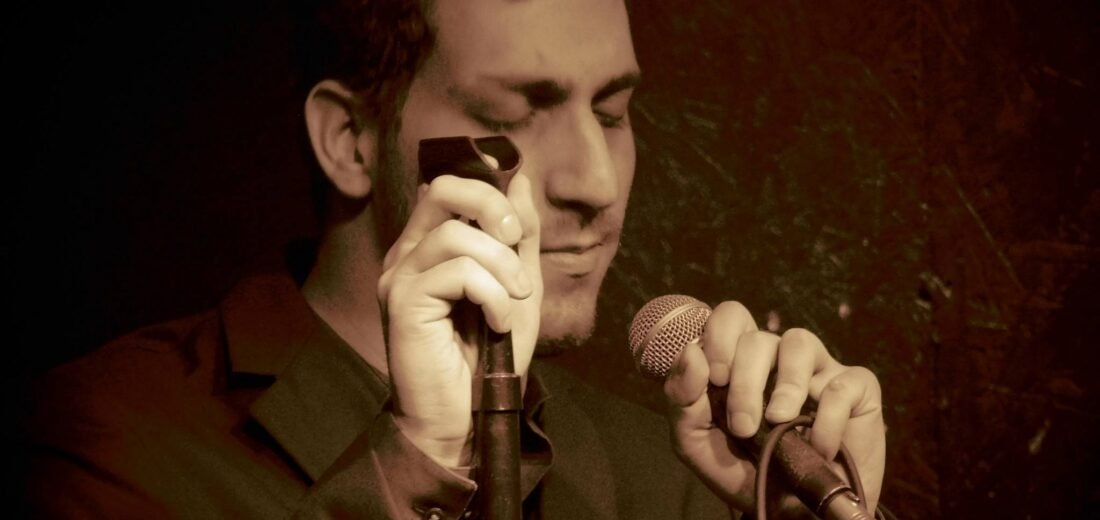
In an era where polish often takes precedence over personality, Cello’s Singing to Serpents arrives as something far more compelling: an unfiltered, genre-fluid album that prioritizes emotional truth over sonic perfection. The Pittsburgh-based artist, born Marcello Valletta, brings a background steeped in poetry and performance to this nine-track LP, crafting a project that feels less like a traditional release and more like a deeply personal document of self-examination.
At its core, Singing to Serpents is about confrontation—of relationships, of identity, and perhaps most strikingly, of self. From the opening moments of “Stay Here,” Cello establishes the album’s tone with a sense of urgency and instability. The track captures the push-and-pull of modern intimacy, where longing and doubt exist simultaneously. It’s a fitting entry point into a record that consistently explores emotional duality.
Cello’s approach to songwriting reflects his background as a poet. His lyrics are often fragmented, looping, and conversational, creating the impression of thoughts unfolding in real time. This technique is particularly effective on tracks like “Elevate,” where ambition and introspection collide. The song’s imagery—cold, sharp, and at times disorienting—mirrors the internal tension that runs throughout the album.
One of the project’s most notable strengths is its willingness to embrace contradiction. “Sucks to Be Used” stands out as one of the album’s most direct statements, with its blunt refrain underscoring the complexities of modern relationships. Yet even at its most confrontational, the track reveals an underlying vulnerability. Cello doesn’t present himself as an infallible narrator; instead, he allows his flaws to remain visible, adding depth to the album’s emotional landscape.
Midway through the record, Singing to Serpents shifts toward more introspective territory. “Pray” and “Faith” explore themes of spirituality and self-perception, offering some of the album’s most revealing moments. On “Faith,” Cello’s repeated emphasis on needing belief in his own abilities serves as both affirmation and confession. It’s a reminder that the search for identity is rarely straightforward, and often shaped by uncertainty.
Musically, the album resists easy classification. Elements of alternative, melodic rap, and atmospheric pop coexist without ever fully settling into a single genre. This fluidity works to the album’s advantage, allowing each track to develop its own identity while contributing to a cohesive overall mood. Songs like “Cravings” and “Full Moon” expand the sonic palette, introducing layered textures and vivid imagery that enhance the listening experience.
“Cravings,” in particular, demonstrates Cello’s ability to translate emotion into sensory detail. The lyrics evoke physical and emotional tension simultaneously, creating a sense of immersion that draws the listener deeper into the narrative. Similarly, “Full Moon” leans into darker themes, presenting love as both transformative and potentially destructive. The track’s atmospheric production complements its lyrical content, reinforcing the album’s overarching sense of volatility.
By the time the album reaches its closing track, “Sleeping,” there is a noticeable shift in tone. The intensity that defines much of the record gives way to a quieter, more reflective mood. It’s not necessarily a resolution, but rather a moment of pause—a chance to process the emotional weight of what has come before.
What ultimately sets Singing to Serpents apart is its commitment to authenticity. Cello does not attempt to conform to industry expectations or follow a predetermined formula. Instead, he leans into his instincts, allowing the music to reflect his experiences without unnecessary embellishment. This approach results in an album that feels immediate and lived-in, even when it ventures into uncomfortable territory.
That discomfort, however, is part of the album’s appeal. Singing to Serpents does not offer easy answers or neatly packaged conclusions. It exists in the gray areas, where emotion is complicated and often unresolved. In doing so, it captures a sense of honesty that is increasingly rare in contemporary music.
For listeners willing to engage with its intensity, Cello’s Singing to Serpents offers a rewarding experience—one that prioritizes depth over accessibility and sincerity over perfection. It may not fit neatly into any one category, but that is precisely what makes it worth hearing.
–Jim Betters